

5 Pests That Slash Property Value and How to Identify Them
Termites
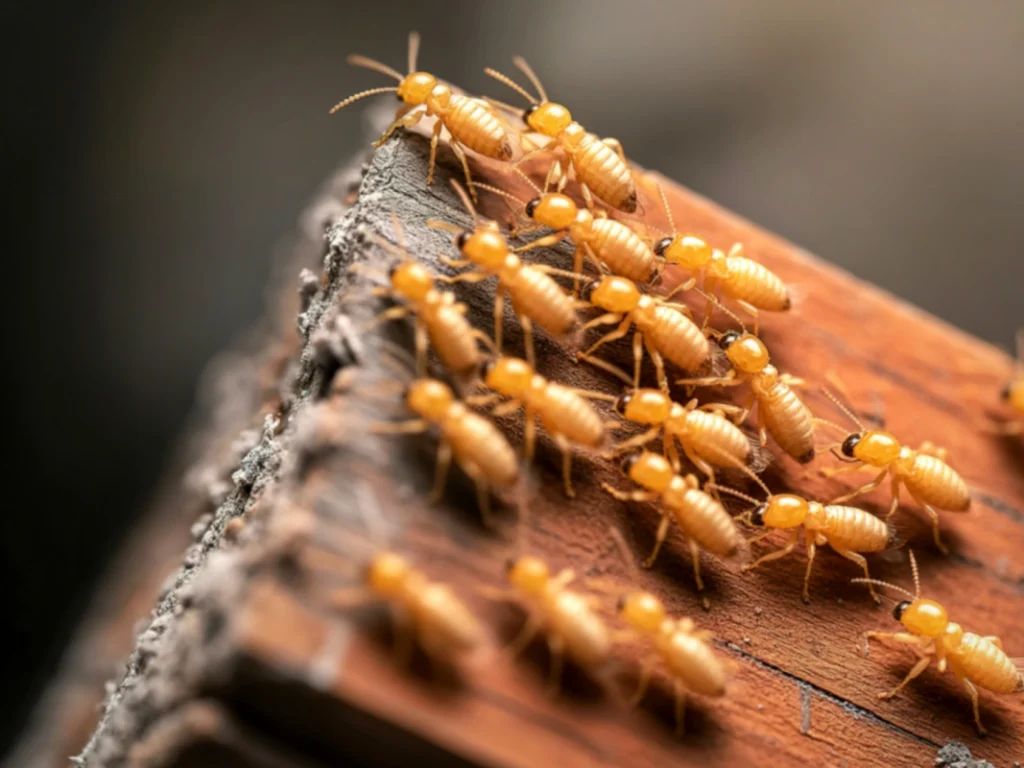
Termites represent one of the most financially devastating threats to residential property values, capable of causing thousands of dollars in structural damage long before homeowners notice their presence. In the humid climate of Royal Palm Beach, subterranean termites thrive year-round, making vigilance essential for property owners who want to preserve their investment.
Visible signs of termite activity include mud tubes running vertically along foundation walls, typically about the width of a pencil, which termites construct to travel between soil and wood without exposure to air. You may also notice hollow-sounding wood when tapped, blistering or darkening of wood surfaces, discarded wings near windowsills or door frames during swarming season (typically March through May in South Florida), and frass (termite droppings) that resemble small piles of salt or pepper near wooden structures. Paint that appears bubbled or uneven without moisture damage may indicate termites feeding beneath the surface.
The financial impact of termite damage extends beyond repair costs. Homes with documented termite history often sell for 15-20% less than comparable properties, and many buyers will walk away entirely from a purchase when active infestations are discovered during inspections. Standard homeowners insurance policies do not cover termite damage, classifying it as preventable maintenance rather than sudden loss. This means sellers absorb the full cost of remediation and repairs before closing.
Professional termite inspections use specialized tools including moisture meters, infrared cameras, and acoustic detection devices to identify colonies hidden within walls, crawl spaces, and structural timbers. These comprehensive evaluations reveal activity invisible to untrained eyes, allowing property owners to address infestations before they compromise structural integrity or derail real estate transactions.
Rodents
Rodents such as rats and mice create extensive damage that directly impacts home valuations through destroyed insulation, chewed electrical wiring, contaminated spaces, and the persistent odors that permeate building materials. Beyond the immediate physical damage, the health hazards associated with rodent infestations make properties significantly less marketable and often require professional remediation before sales can proceed.
Homeowners should watch for droppings concentrated near food sources, in cabinets, along baseboards, or in attic spaces. Fresh droppings appear dark and moist, while older droppings become gray and crumbly. Gnaw marks on wood trim, plastic containers, electrical wires, and even drywall indicate active feeding. You may hear scratching or scurrying sounds within walls or ceilings, particularly during evening hours when rodents are most active. Grease marks appear as dark smudges along walls where rodents repeatedly travel the same pathways. Nesting materials such as shredded paper, fabric, or insulation found in hidden corners signal established colonies. In Florida’s mild winters, rodent activity remains constant rather than seasonal, with populations peaking during late summer and fall when outdoor food sources diminish.
The valuation impact of rodent problems proves substantial. Properties with documented rodent issues face difficulty securing conventional financing, as many lenders require pest-free certifications before loan approval. Appraisers reduce home values when they observe rodent evidence, typically deducting repair costs plus an additional percentage for stigma. Electrical fires caused by rodent-damaged wiring create liability concerns that concern both insurers and potential buyers.
Thorough home inspections include attic, crawl space, and exterior perimeter evaluations that identify entry points, nesting sites, and damage severity. Inspectors assess whether rodent activity is historical or ongoing, information critical for determining remediation scope and negotiating appropriate repair credits during real estate transactions.
Carpenter Ants
Carpenter ants hollow out wood to create nesting galleries, weakening structural components in ways that mirror termite damage but with distinct identifying characteristics. Unlike termites that consume wood for nutrition, carpenter ants excavate smooth tunnels to house their colonies, ejecting fine sawdust-like material called frass. The humid environment of Royal Palm Beach provides ideal conditions for carpenter ant establishment, particularly in wood affected by moisture intrusion or previous water damage.
Signs of carpenter ant infestation include piles of fine sawdust beneath wooden structures, often mixed with insect body parts. The frass appears cleaner and more uniform than termite droppings, with a texture similar to coarse ground coffee. Homeowners may observe large black or red-black ants, typically between one-quarter and one-half inch long, trailing along consistent pathways during evening hours. Faint rustling sounds within walls or hollow wooden structures indicate colony activity. Winged reproductive ants emerge during spring months, often confused with termite swarmers but distinguished by their pinched waists and bent antennae. Wood that sounds hollow when tapped, particularly around windows, doors, and areas prone to moisture accumulation, suggests established galleries.
Property values suffer when carpenter ant damage is discovered because the infestation signals underlying moisture problems that concern buyers and their representatives. Homes requiring structural wood replacement face repair costs ranging from several hundred to several thousand dollars depending on damage extent. Real estate disclosures mandating pest history reporting can deter prospective buyers even after treatment, as the stigma of previous infestation persists.
Professional inspections identify carpenter ant activity through systematic evaluation of moisture-prone areas, detection of frass accumulation in concealed spaces, and assessment of structural wood integrity. Inspectors differentiate between cosmetic damage and structural concerns, providing documentation necessary for accurate repair estimates and informed transaction negotiations. Early detection through routine inspection prevents minor colony establishment from escalating into significant structural compromise.
Bed Bugs
Bed bugs create unique valuation challenges because their presence carries intense social stigma and requires expensive professional eradication that often involves heat treatment, repeated chemical applications, and temporary displacement of residents. Unlike structural pests, bed bugs attach directly to the livability and comfort perception of a home, making disclosure particularly damaging to marketability and sale price.
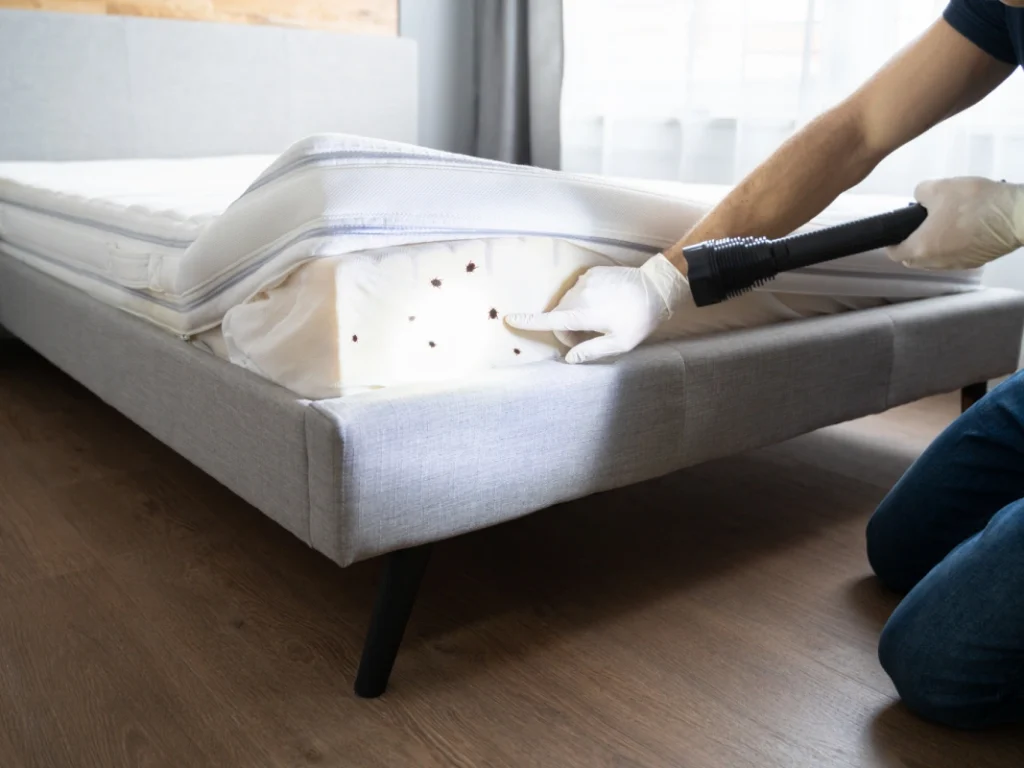
Identifying bed bugs requires careful inspection of sleeping areas and upholstered furniture. Look for small reddish-brown insects about the size of an apple seed hiding in mattress seams, box spring crevices, bed frame joints, and headboard attachment points. Rusty or reddish stains on bedding indicate crushed bed bugs, while tiny dark spots on sheets, mattresses, or nearby walls represent bed bug excrement. Small pale yellow eggs and translucent shed skins accumulate in hiding places near feeding sites. Bites appearing in linear patterns or clusters on exposed skin during sleep suggest bed bug feeding, though not everyone reacts visibly to bites. A sweet, musty odor in heavily infested rooms comes from bed bug scent glands. Check behind picture frames, inside electrical outlets, along baseboards, and within upholstered furniture seams, as bed bugs hide in numerous locations beyond beds.
The financial impact of bed bug infestation extends beyond extermination costs. Properties with documented bed bug history face serious marketability problems, as many buyers refuse to consider homes with any pest history involving bed bugs. Those willing to proceed demand substantial price reductions, often 10-15% below market value, plus seller-paid treatment guarantees. Rental properties lose tenants and face potential legal action when bed bugs are discovered. Treatment costs range from several hundred dollars for minor infestations to several thousand for whole-house heat remediation.
Professional pest inspections can detect bed bugs in early stages before populations explode, using visual examination techniques and, in some cases, canine detection services. Documentation of bed bug absence provides valuable assurance to buyers and protects sellers from post-closing disputes regarding pre-existing conditions.
Wood-Boring Beetles
Wood-boring beetles including powderpost beetles, old house borers, and longhorn beetles infest structural lumber, hardwood flooring, and furniture, creating damage that accumulates over years as successive generations tunnel through wood fibers. These insects prove particularly problematic because infestations often go undetected until structural weakness becomes apparent, and because active versus inactive infestations are difficult for homeowners to distinguish without professional evaluation.
Signs of wood-boring beetle activity include small round or oval exit holes in wood surfaces, typically between one-sixteenth and one-quarter inch in diameter depending on beetle species. Fresh holes appear clean with sharp edges, while older holes show weathering and accumulated debris. Fine powdery sawdust called frass accumulates beneath exit holes or falls from ceiling cracks above infested floor joists. The powder’s texture varies by species: powderpost beetles produce flour-like powder, while old house borers create coarser material mixed with fecal pellets. Homeowners may observe adult beetles near windows during spring and summer emergence periods. Wood surfaces may show tunneling patterns visible through finish cracks or damaged veneers. Floors that feel spongy or boards that crack easily under pressure indicate extensive internal tunneling. In Royal Palm Beach’s climate, wood-boring beetles remain active year-round in temperature-controlled indoor environments, though emergence peaks during warmer months.
Property valuations decline when wood-boring beetle damage is documented because the scope of internal damage is difficult to assess without destructive testing. Buyers fear hidden structural compromise and demand extensive inspections, treatment verification, and repair guarantees before proceeding. Lenders may require treatment completion and damage repair before loan funding. Homes with visible beetle damage sell for 5-10% less than comparable properties, with costs increasing if structural members require replacement.
Professional home inspections identify wood-boring beetle activity through systematic examination of exposed wood in basements, crawl spaces, attics, and living areas. Inspectors distinguish between old emergence holes from previous infestations and fresh activity requiring treatment, a determination critical for accurate repair cost estimation and appropriate contract negotiation during property transactions.